
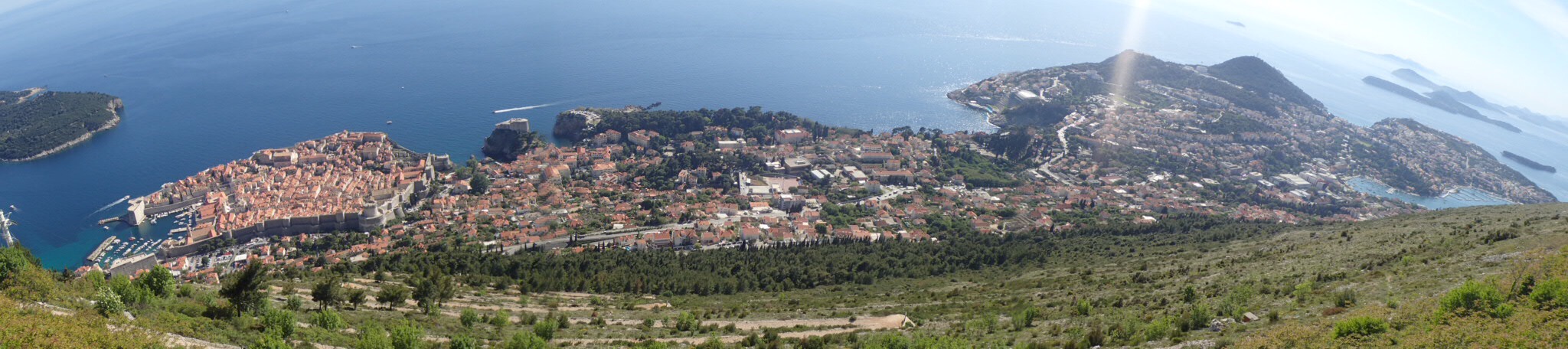
I’ve been thinking a lot about war lately. Currently it’s because I’m in Croatia, a place that was devastated by civil war during my lifetime (more about that later), but generally it’s because of the horrible things my government has been attempting to, and sometimes succeeding in doing.
I’ve always been kind of a pacifist. My grandfather, an East German refugee who survived being part of the Nazi army, living as a prisoner of war, and the Russian occupation of his hometown, once told me he’d disown me if I ever joined the army. He didn’t need to tell me twice- I’d read enough holocaust memoirs by the time I turned 10 that I understood that war could only lead to heartbreak and devastation. War was something that happened in distant places, and in history. We were nearing the 21st century; clearly we had gotten past our need to kill each other and blow things up in the name of ideology. I’ve often reflected to myself how nice it is that we don’t have to do that anymore; we’re probably one of very few generations of white people over the last two thousand years that hasn’t drafted, or at least seriously guilted it’s young men into dying for their respective countries. Or so I thought, at least. Being in Croatia has reminded me of all of the military involvements I’ve blocked out- Afghanistan, Iraq, Kuwait. All of the wars that have taken place while I’ve been alive and barely had an impact on my day-to-day existence, but have devastated thousands of families elsewhere.
The Croatian war of independence took place when I was in diapers. Sara Nović describes it vividly and heart-wrenchingly in her book Girl at War (which I was unable to put down until finished it this morning). It was a war that ten-year old protagonist Ana describes as confusing, at best. Having been taught to ignore ethnic differences in favor of “Slavic Brotherhood and Unity”, she is unable to fully comprehend why Serbians and Croatians are now trying to kill each other. As the novel goes on, Ana becomes more and more personally invested in the ethnic conflict, in the end referring to the opposing army only as “Četniks”, a derogatory term for Serbians, and dreaming of shooting a particaly Serbian soldier with an AK-47 that ends up in her possession. Since the 2016 election of Donald Trump, some analogous version of this is what I fear most.
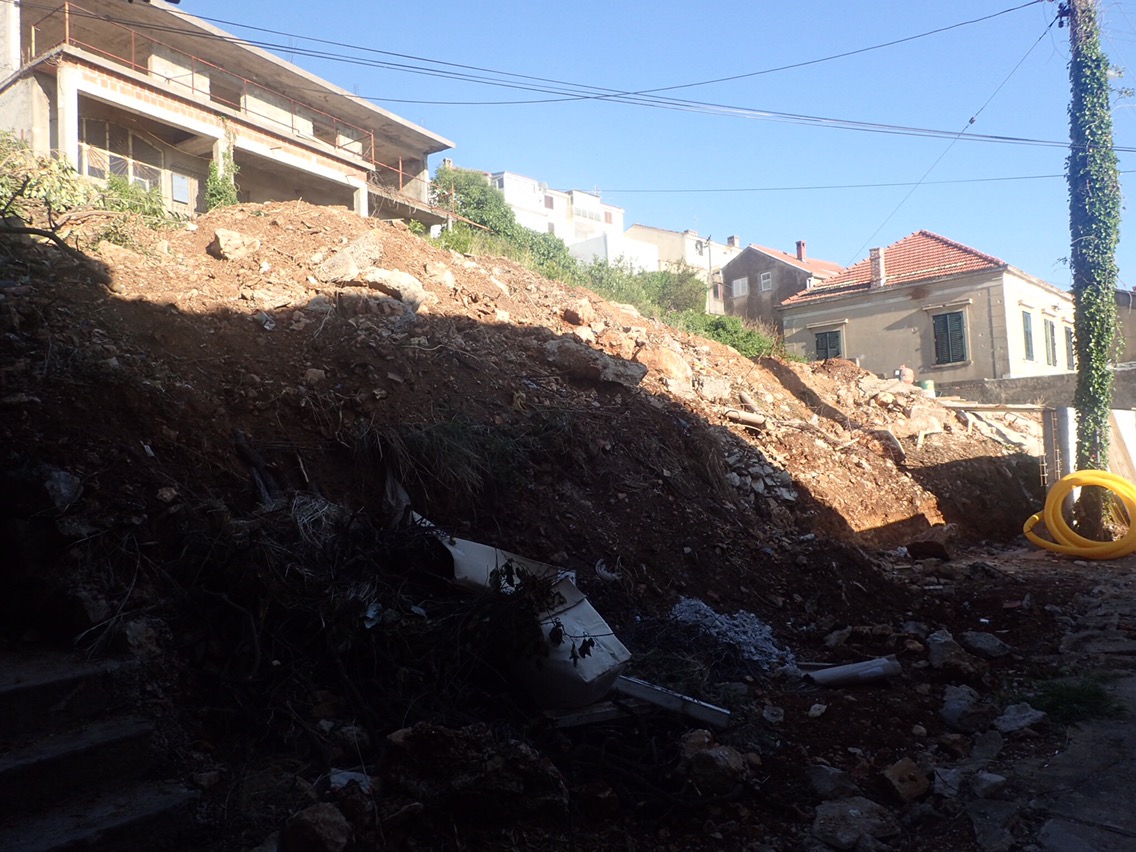
Novič characterizes the Croatian war for independence as one that utterly surprised its citizens. While the particular circumstances of this war likely were somewhat surprising (Serbian troops, under the name “Yugoslavian National Army” managed to commandeer all of Yugoslavia’s weapons, leaving Croatia unarmed and without an army for the first part of the war), I think it is also always at least a little bit surprising when aggressive words turn to aggressive actions. I doubt anyone in Croatia, with the possible exception of Serbian/Yugoslav extremist Slobodan Miloševič, could have foreseen the devastation that would follow a few inflammatory statements.
In the United States we hear a lot of rhetoric that is extreme on both sides. We talk of locking people up, of making them *pay*, of building walls, of “fighting the forces of oppression”, and being part of the “resistance”. Most of these statements have been hyperbolic thus far, but my history as a refugee’s daughter and granddaughter, and student of history, makes me nervous that the less hyperbolic version is around the corner. Just today the House of Representatives voted to repeal and replace legislation that gave everyone* affordable healthcare, with an alternate plan that would deny millions of people, including me, that same right. And so I have been thinking: at what point will too much have been taken away? At what point will I, like my Opa, decide it would be worthwhile to uproot everything I know and find a different, and hopefully better life for myself? At what point will I feel desperate enough that I would consider ending another life, or risking my own to ensure the continuation of the freedoms I believe in? I grew up thinking that resistance, revolution, and war were things that happened somewhere else, but Croatia has reminded me that my “somewhere else” is someone else’s “here”.
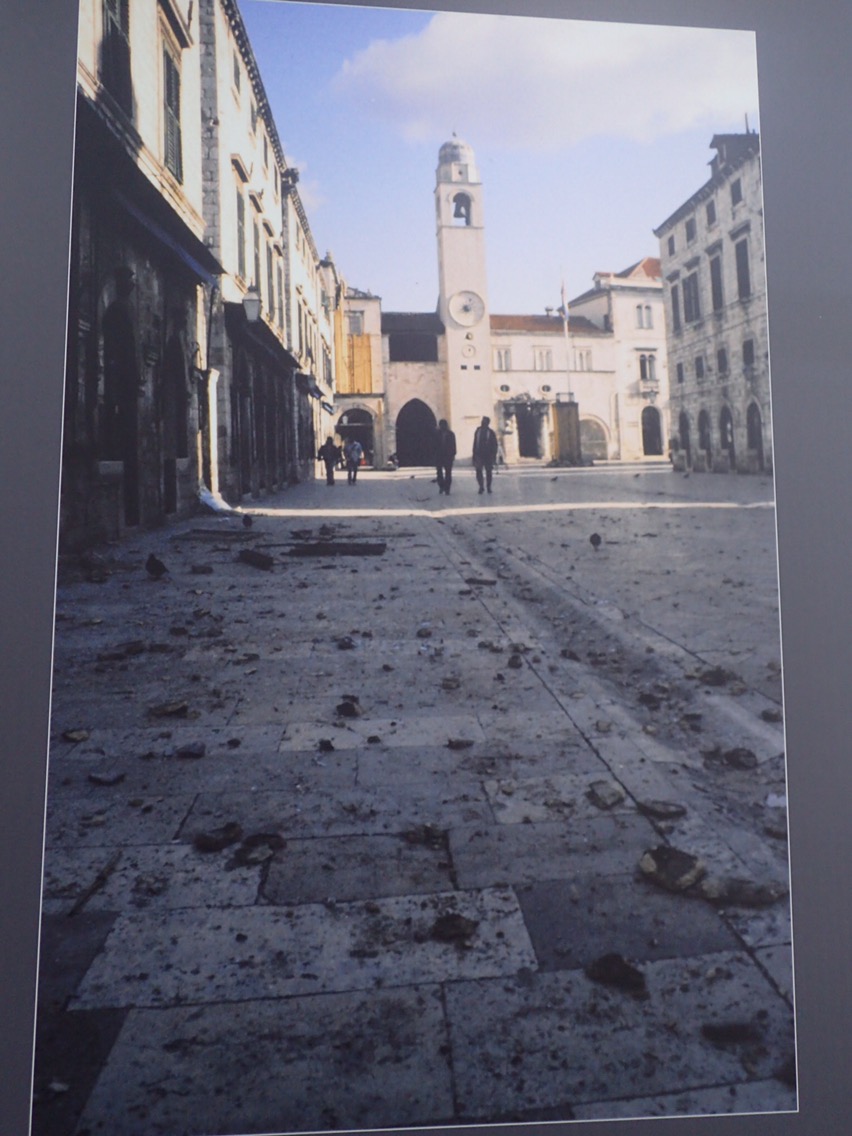
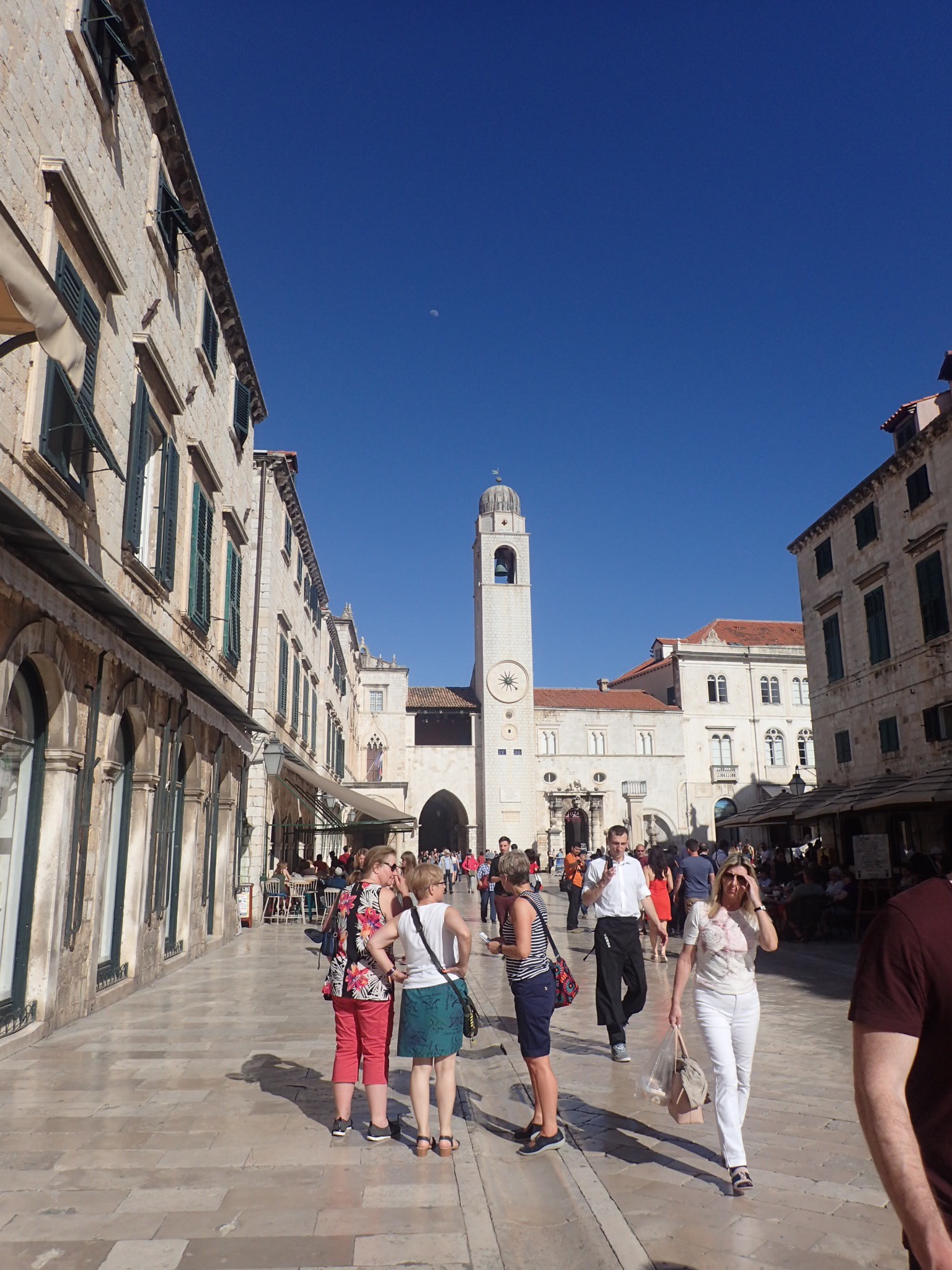
And so, when I walk through the streets of Dubrovnik, which, 25 years ago, resembled a battlefield more than a city, I wonder- what would it take for Minneapolis or Chicago or Saint Louis, or some other city near my “here” to find itself besieged by people who allegedly belong to the same group? I hope very dearly that I won’t ever know the answer… but in the way many refugee families do, I still feel the need to prepare for the possibility that I will.
 weary traveler